

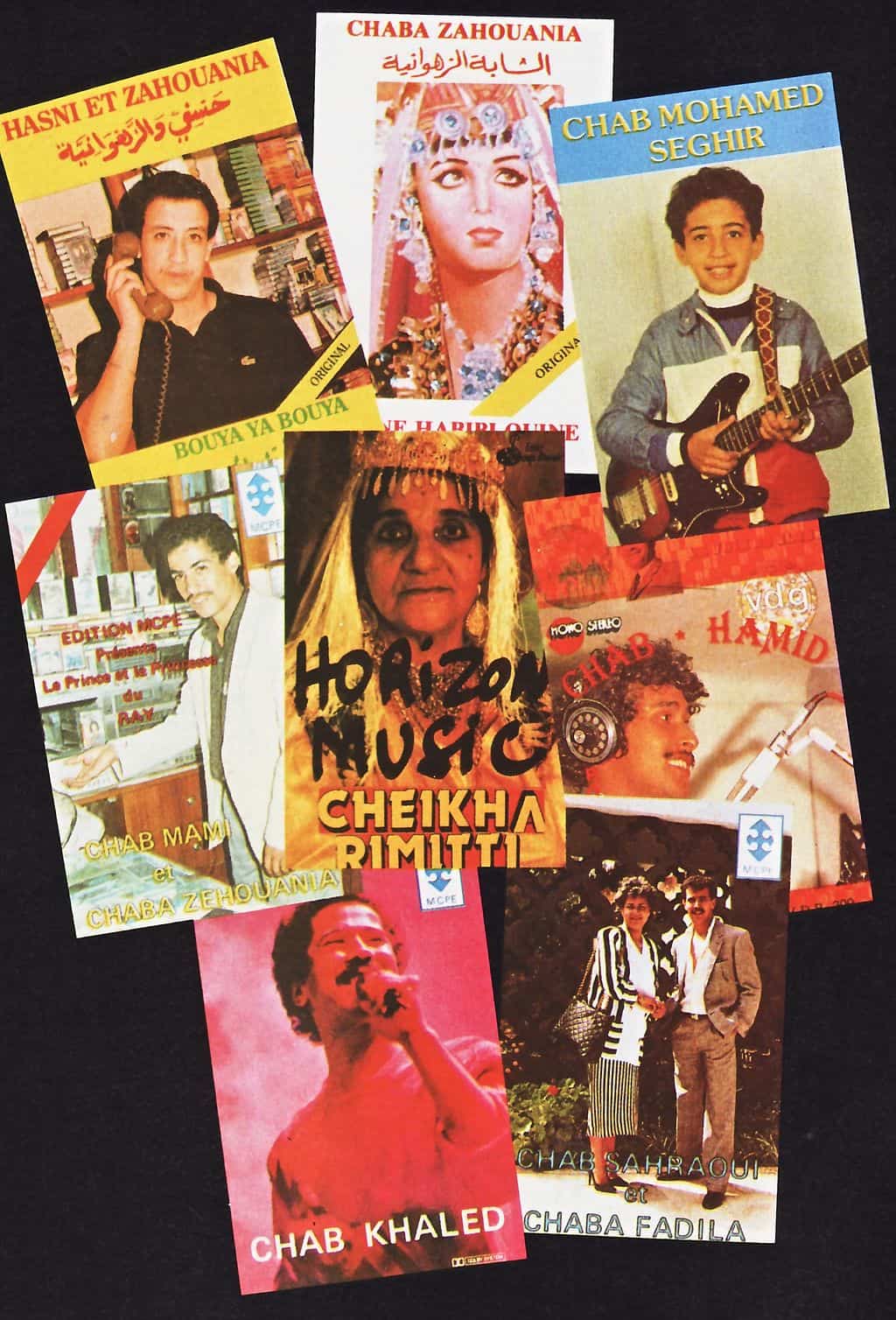
From the bustling streets of colonial Oran to UNESCO’s prestigious cultural heritage list, Rai music stands as Algeria’s most powerful musical export—a genre born from defiance that refused to be silenced.
Rai music emerged in 1920s Oran as more than mere entertainment. Its very name, derived from the Arabic word for “opinion,” reveals the genre’s foundational purpose: to speak truth in a world that often demanded silence. When early performers inserted “raï” between improvised verses, they weren’t merely filling musical gaps—they were declaring their right to voice opinions that challenged the established order.
Origins in Oran’s Cultural Melting Pot
Oran in the early 20th century served as Algeria’s most cosmopolitan crucible. The port city’s distinct quarters—Jewish, French, Spanish, and Native Algerian—fostered an unprecedented musical cross-pollination. Spanish flamenco merged with spiritual Gnawa rhythms, French cabaret styles blended with Arab nomadic traditions, creating the fertile ground from which Rai would emerge.
This musical fusion reflected a deeper social reality. Rai was conceived by and for Algeria’s urban underclass: factory workers, distillery labourers, and peasants dispossessed by European settlers. From its earliest manifestations, the genre consciously challenged accepted artistic and social norms, offering young Algerians a voice for modernising traditional Islamic values whilst expressing the harsh realities of marginal life.
The Revolutionary Spirit of the Cheikhas
The genre’s most radical element came through the “cheikhas”— female performers who, though often marginalised, became Rai’s pioneering voices. These women, led by figures like Cheikha Rimitti el Reliziana, performed what was traditionally confined to private female celebrations in public spaces: bars, cafés, and brothels. Their “libertine sensibility” involved frank discussions of sexuality, wine, love, and urban adversity, using the raw, earthy language of the street.
Cheikha Rimitti’s 1954 hit “Charrag Gataa” which encouraged young women to lose their virginity, scandalised Muslim orthodoxy and established Rai’s transgressive credentials. The cheikhas vulgar and shocking performances were not just entertainment but a radical form of social commentary, making Rai a uniquely powerful voice for marginalised women and a crucial precursor to its later political and social critiques.
Musical Evolution Through Political Upheaval
Rai’s musical development paralleled Algeria’s political journey. During the 1930s colonial period, lyrics addressed typhus outbreaks, police harassment, and widespread poverty whilst maintaining themes of hedonistic rebellion. The 1960s post-independence era saw deliberate modernisation efforts, with pioneers like Bellemou Messaoud—”The Father of Raï”—replacing traditional flutes and drums with trumpets, saxophones, and accordions.
The 1980s marked Rai’s transformation into “Pop-Raï” under President Chadli Bendjedid’s liberalised administration. Electronic instruments, synthesizers, and drum machines created the distinctive sound that would captivate global audiences. Young performers adopted the titles “Cheb” (young man) and “Cheba” (young woman), distinguishing themselves from traditional artists whilst addressing increasingly explicit themes of love, sexuality, and alcohol.
The Price of Rebellion
Rai’s transgressive nature inevitably provoked severe persecution. Colonial authorities harassed early performers, whilst post-independence governments imposed broadcasting bans that lasted until the 1980s. The genre survived through underground performances and French-Algerian community radio stations.
The 1990s brought the darkest period amid Algeria’s civil conflict, when Islamist armed groups and some state elements targeted Rai artists. Conservative forces viewed Rai as promoting immoral values contrary to Islamic principles. Artists faced passport confiscation, death threats, and forced exile. The 1994 assassination of beloved singer Cheb Hasni in Oran—targeted for his sentimental love songs addressing taboo relationship issues—epitomised the violent opposition Rai provoked.
Yet persecution paradoxically strengthened the genre’s appeal. Government bans transformed Rai into a powerful symbol of youth identity and subversion, compelling artists to innovate and discover new expression avenues. This struggle ultimately strengthened its cultural relevance and global reach.
Global Recognition and Contemporary Relevance
Rai’s international breakthrough came through the first international Rai festival in 1985, followed by French market penetration in 1986. Cheb Khaled emerged as “The King of Rai,” incorporating hip-hop, reggae, and funk whilst maintaining Arabic authenticity. His collaborations with non-Muslim artists broke cultural barriers and globalised North African music.
Cheb Mami’s 1999 collaboration with Sting on “Desert Rose” introduced Rai to vast Western audiences through Grammy and Super Bowl performances. These crossovers demonstrated the genre’s adaptability whilst preserving its rebellious core.
In 2022, UNESCO officially inscribed Rai on its Representative List of Intangible Cultural Heritage, recognising it as a vital means of conveying social reality without censorship. This prestigious status validates what Rai artists always knew: their music serves as an authentic voice for freedom and transgression.
Digital Age Renaissance
Contemporary Rai continues evolving through digital platforms. Franco-Algerian DJ Snake’s 2022 hit “Disco Maghreb” revitalised the genre for new audiences, whilst TikTok presence demonstrates ongoing youth engagement. These platforms allow Rai to maintain its provocative edge whilst reaching global audiences seeking authentic cultural expression.
The genre’s remarkable journey—from banned underground music to UNESCO cultural heritage—illustrates the power of artistic resilience. What was once considered domestically subversive has gained international recognition as valuable cultural expression of freedom and transgression.
An Enduring Legacy
Rai represents far more than musical innovation; it embodies the struggle for freedom of expression across generations. Its origins among Algeria’s marginalised communities, fearless embrace of taboo subjects, and inherent counter-cultural stance collectively define it as a unique form of popular resistance.
Despite commercial pressures and globalisation challenges, Rai maintains its revolutionary spirit. The genre’s consistent willingness to address societal taboos, combined with its raw authenticity, ensures continued relevance for youth seeking expression avenues and identity formation.
Today, as young Algerians and diaspora communities worldwide continue engaging with Rai through digital platforms, the genre’s foundational message remains unchanged: the right to voice one’s opinion, regardless of consequence. In this persistence lies Rai’s greatest triumph—not merely survival, but the creation of a lasting cultural legacy that continues inspiring new generations of artistic rebels.