

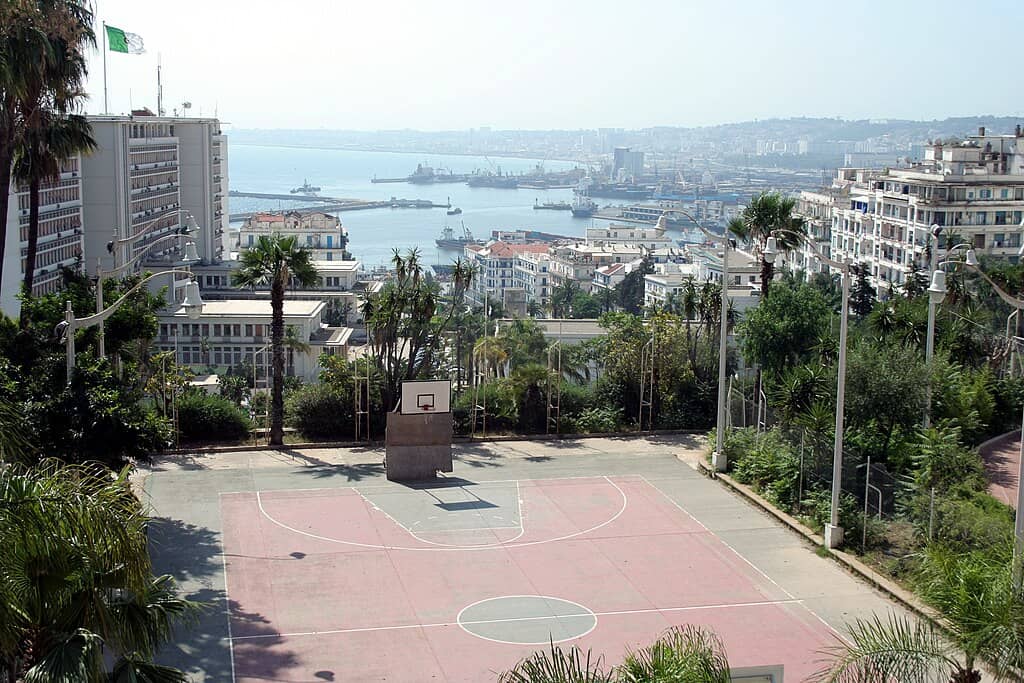
The relationship between Algeria and the United Kingdom stretches back more than four centuries, evolving from early maritime agreements to a contemporary partnership spanning trade, education, energy and security.
Historical Foundations
The diplomatic connection began remarkably early. In 1580, Queen Elizabeth I appointed John Tipton as the first English consul in Algiers, establishing one of Britain’s earliest formal relationships in North Africa. By 1682, the two parties had concluded a Treaty of Peace and Trade that granted British merchants privileged status in Algiers.
Following Algeria’s independence in 1962, the UK was among the first nations to recognise the new republic. Prime Minister Harold Macmillan and President Ahmed Ben Bella exchanged messages that same year to establish modern diplomatic relations, with both countries opening embassies in each other’s capitals shortly thereafter.
High-Level Diplomatic Engagement
The relationship has been marked by significant state visits. Queen Elizabeth II’s visit to Algeria in October 1980 was the first by a British monarch, during which she was hosted by President Chadli Bendjedid. In 2006, President Abdelaziz Bouteflika became the first Algerian head of state to make a state visit to the UK since independence, followed by Prime Minister David Cameron’s historic 2013 trip to Algiers—the first ever by a serving British Prime Minister.
More recently, the countries have formalised their cooperation through a Strategic Dialogue, with sessions held in Algiers (March 2020) and London (November 2023). The 2023 joint statement emphasised “the warm and extensive links” spanning diplomacy, security, economic and cultural ties, with both sides agreeing to deepen the partnership through regular official consultations.
Trade and Economic Relations
Bilateral trade between Algeria and the UK reached approximately £2.6 billion annually as of mid-2025, according to the UK Department for Business & Trade. Energy dominates this exchange, with Algeria serving as one of Britain’s top suppliers. UK imports from Algeria—primarily crude oil, natural gas, and refined petroleum—far exceed British exports, creating a trade deficit unique among North African countries.
British exports to Algeria are more diverse, including beverages and spirits (nearly 30% of UK goods exports), pharmaceuticals and medical products (around 10%), and machinery including road vehicle components. Notably, the UK became Algeria’s first LNG client in 1964—a link that still shapes energy trade today.
After Brexit, Algeria became eligible under the UK’s Developing Countries Trading Scheme, maintaining reduced tariffs for many Algerian goods entering Britain. Both governments have expressed interest in establishing a UK-Algeria Trade Taskforce to identify opportunities and address obstacles to expanded commerce.
Energy Cooperation: From Hydrocarbons to Renewables
Energy cooperation has long been central to Algeria-UK relations. British Petroleum (BP) and partners developed major Algerian natural gas fields including In Salah and In Amenas in partnership with state energy company Sonatrach. The 2022 disruption of European gas supplies due to Russia’s war in Ukraine reinforced Algeria’s importance, with UK officials stating that “in the wake of Putin’s illegal war in Ukraine, it is more important than ever that we have a reliable supplier of energy.”
During the March 2020 visit to Algiers, the UK Foreign Secretary signed a Declaration of Intent on cooperation in environmental protection and sustainable development. In September 2022, Algeria’s energy minister invited British companies to invest in hydrogen projects and renewable equipment manufacturing, proposing expert meetings and knowledge exchange.
Educational and Cultural Ties
The UK ranks as the second most popular destination (after France) for Algerian students pursuing higher education abroad. Between 2014-2019, up to 500 Algerian PhD students were fully funded by their government to study at UK universities in fields including English language, literature, and applied linguistics, coordinated through the British Council and Algeria’s Ministry of Higher Education.
British universities have developed direct partnerships with Algerian institutions. In 2022, the University of Cambridge recently signed a memorandum of understanding with the University of Blida 2 to collaborate on research and training. These academic links are supported by a UK-Algeria Joint Commission on Higher Education and Scientific Research.
Language cooperation has been particularly significant. In 2022, Algeria introduced English from Year 3 in primary schools — a policy welcomed by UK partners working on teacher training. This policy reflected the country’s pivot toward English as a second language. The British Council reopened its office in Algiers in 2006 and has since collaborated closely with Algerian partners on English teacher training.
The British School Algiers — the country’s first British international school — opened in November 2020 under a 2020 bilateral accord and is BSO-inspected.
Cultural Exchange and People-to-People Links
Cultural connections have flourished, notably through DzFest—an annual festival of Algerian arts and culture in the UK launched in 2022. The festival showcases Algerian music, theatre, film, literature, and fashion in British cities, with the British Council partnering with Algerian cultural organisations like Culturama to support these events.
Algerian footballers have also raised the country’s profile in Britain, with stars like Riyad Mahrez and Saïd Benrahma becoming familiar figures in the English Premier League. Their success has contributed to people-to-people affinity between the two nations.
Defence and Security Collaboration
Security cooperation has become a cornerstone of bilateral relations, particularly since the early 2000s. In 2013, following the terrorist attack on the In Amenas gas facility that killed several British workers, the two countries launched a Strategic Security Partnership to formalise cooperation on defence, counter-terrorism, and intelligence sharing.
The 2023 Strategic Dialogue explicitly agreed to strengthen intelligence sharing and law enforcement cooperation against terrorism, organised crime, and human trafficking. British and Algerian security services now consult regularly on extremist networks operating in North and West Africa.
Military-to-military cooperation has grown steadily. In February 2023, Algeria’s army chief Gen. Said Chengriha hosted James Heappey, the UK’s Minister for the Armed Forces, in Algiers to review military cooperation. Algerian officers have attended courses at the Royal College of Defence Studies and Sandhurst, while British military trainers have conducted workshops in Algeria on topics including bomb disposal and special forces tactics.
Algeria has expanded its helicopter fleet in the past decade, including acquisitions from Leonardo/AgustaWestland; published values vary and are not consistently disclosed.
Regional Coordination
Beyond bilateral concerns, Algeria and the UK increasingly coordinate on regional security issues. Britain views Algeria as a pivotal stabilising force in North Africa and the Sahel, frequently consulting Algiers on crises in Libya, Mali, and Niger. The November 2023 joint statement reaffirmed support for a “just, lasting” solution in Western Sahara and expressed shared concern over unconstitutional changes of government in the Sahel.
Looking Forward
From 16th-century trade agreements to 21st-century cooperation on renewable energy and counter-terrorism, Algeria-UK relations have evolved into what officials describe as a comprehensive partnership. The relationship remains grounded in shared interests—stability, prosperity, and mutual respect—rather than formal alliance obligations. With continued commitment to dialogue, trade diversification, educational exchange, renewable energy collaboration, and security cooperation, this four-century relationship appears poised for further growth in the years ahead.