

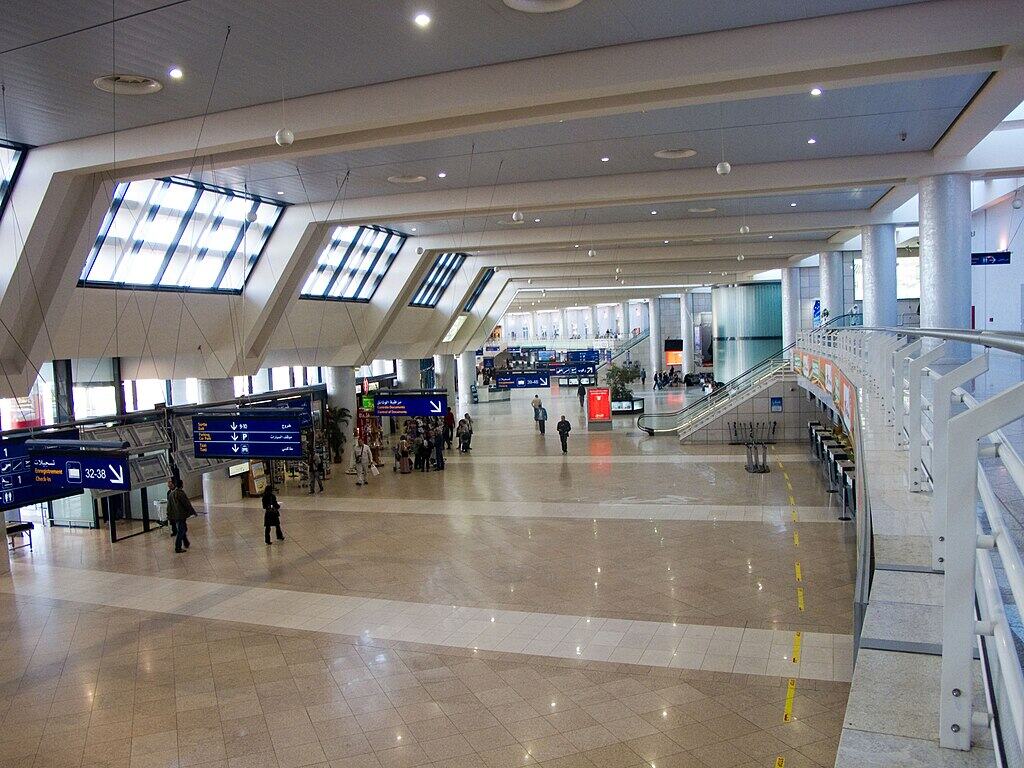
Every summer, a remarkable phenomenon unfolds across Algeria as hundreds of thousands of expatriates make their way back to their homeland. This isn’t simply tourism—it’s a deeply rooted cultural practice that speaks to the enduring bonds between Algeria and its global diaspora.
The statistics tell only part of the story. Each year, substantial numbers of Algerian expatriates, predominantly from France and other European nations, embark on journeys that often involve considerable expense, logistical challenges, and physical discomfort. Yet they return, year after year, in what has become one of the most significant seasonal migrations in the Maghreb region.
Roots in History
This annual pilgrimage traces its origins back over a century to the earliest waves of Algerian migration. The pattern began in the late 19th century when severe impoverishment and rural dispossession drove Algerians to seek work abroad, primarily in France. The Great War accelerated this movement dramatically, with nearly 275,000 Algerians serving as workers and soldiers between 1914 and 1918.
What emerged during the interwar period was a distinctive pattern of “back and forths”—temporary, circular migration that established the precedent for maintaining strong homeland ties even while living abroad. The colonial experience added another layer of complexity, as Algerians held French nationality but were denied full citizenship rights, creating an “in-between” status that intensified their emotional connection to Algeria as the place where they could feel like “citizens with equal rights.”
The Algerian War of Independence further reshaped these migration patterns, leading to the Évian Accord of 1962, which granted Algerians relative freedom of movement between Algeria and France. By 1965, over 500,000 Algerian nationals resided in France.
The Heart of the Journey
Today’s annual returns are driven by motivations that extend far beyond mere vacation. Family bonds remain the most fundamental driver—these visits serve as crucial opportunities to reconnect with parents, grandparents, and extended family, often coinciding with significant events or simply providing vital annual reunions.
Cultural preservation represents another powerful force. For many expatriates, particularly second and third-generation Algerians, these summer visits function as essential “cultural recharge” mechanisms. They provide immersive environments where Algerian Arabic (Darija), traditional customs, religious practices such as Eid, and authentic cuisine can be actively experienced and reinforced. For second and third-generation Algerians, these visits are particularly critical in combating the perceived “loss of Darija” and the feeling of “becoming less and less Algerian” experienced while living abroad.
The emotional dimension cannot be understated. Despite residing elsewhere, Algeria frequently remains “home” in the deepest sense. The return offers a cherished opportunity to feel fully accepted and to experience a sense of belonging that may be absent in host countries. A strong sense of nostalgia for the homeland and its unique atmosphere also plays a significant role.
Economic factors also play a role. Foreign earnings provide purchasing power that allows returnees to enjoy a notably higher quality of life in Algeria than would be possible on local wages—what some describe as the ability to “live like a king” during their visits.
The Reality of Return
Yet these homecomings are far from effortless. Expatriates face a gauntlet of challenges that would deter all but the most determined. Travel logistics present the first hurdle: overpriced flights with limited availability, fully booked ferries, and potentially lengthy delays at Algerian consulates abroad for document renewal (though recent governmental measures aim to alleviate this).
The climate poses another significant challenge. July and August bring scorching temperatures often exceeding 40°C, making outdoor activities difficult and contributing to what many describe as reduced energy levels. Algeria’s urban planning, often lacking adequate green spaces and shade, exacerbates the discomfort of the extreme heat.
Economic pressures mount during peak season, with accommodation prices surging to levels often disproportionate to the standard of service provided. The massive influx of summer visitors may also compromise service quality in some hotels and restaurants, resulting in long wait times and less attentive customer service.
Social adjustments, such as language barriers, may also arise as some second-generation expatriates struggle to keep up with the conversation with their cousins due to differences in dialect fluency.
Socially and culturally, summer visits facilitate vital exchanges between the diaspora and residents, helping bridge generational and cultural gaps. Returnees often introduce new perspectives and consumer habits from their host countries, influencing local trends. Yet this economic power simultaneously creates visible socio-economic disparities, as the ability of returnees to enjoy luxurious lifestyles can lead to perceptions of inequality among some locals.
Government Recognition
The Algerian government has increasingly acknowledged the diaspora’s importance. Under President Abdelmadjid Tebboune, new measures include simplified entry procedures for holders of expired Algerian passports (provided they have valid foreign passports), “green corridors” at ports and airports for expedited passage, and facilitations for vehicle entry. These initiatives demonstrate what officials describe as “strong political will to involve the diaspora in the path of national development.”
A Testament to Enduring Bonds
The persistence of this annual phenomenon, despite considerable challenges, reveals something profound about the Algerian diaspora’s relationship with their homeland. These summer returns represent far more than holidays—they constitute a vital mechanism for cultural reproduction, identity maintenance, and socio-economic support.
The layered symbolism of these journeys speaks to the complex realities of modern migration. They reflect the enduring power of Algerian family bonds, the deep human need for cultural continuity, and the profound emotional connections that transcend borders and generations. In an era of globalisation and cultural homogenisation, the annual Algerian homecoming stands as a testament to the strength of Algerian cultural identity and the lengths to which Algerians will go to preserve their connections to home.
This annual pilgrimage continues to evolve, shaped by changing geopolitical circumstances, economic conditions, and generational shifts. Yet its fundamental essence remains constant: the unwavering commitment of Algerians abroad to maintain their ties to the homeland, ensuring that Algeria remains not just a memory, but a living, breathing part of their identity that must be renewed and celebrated each summer.